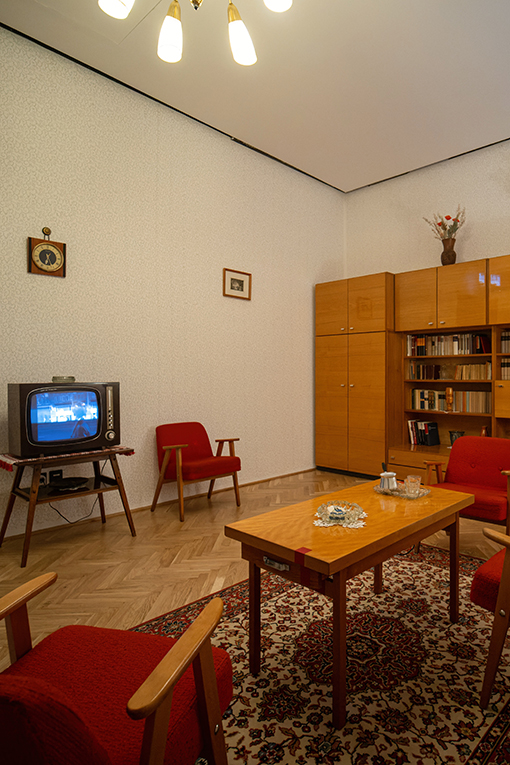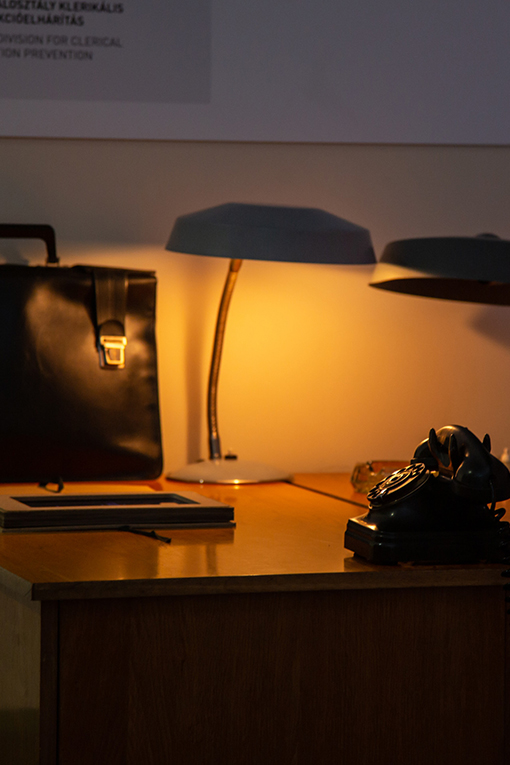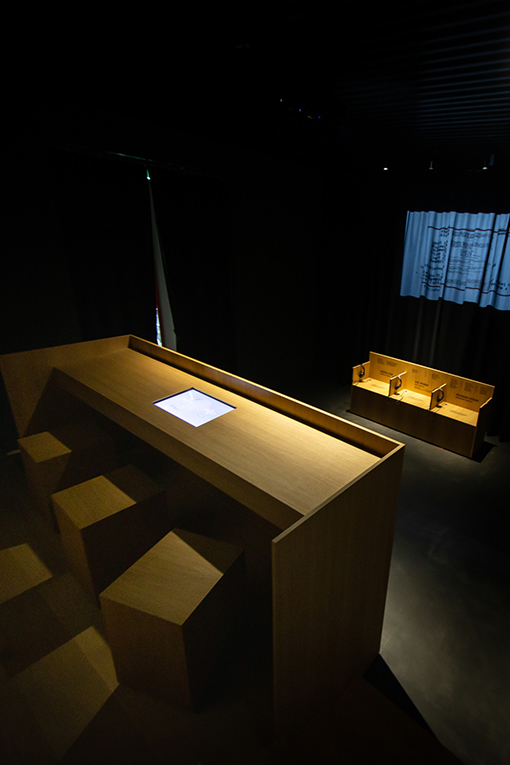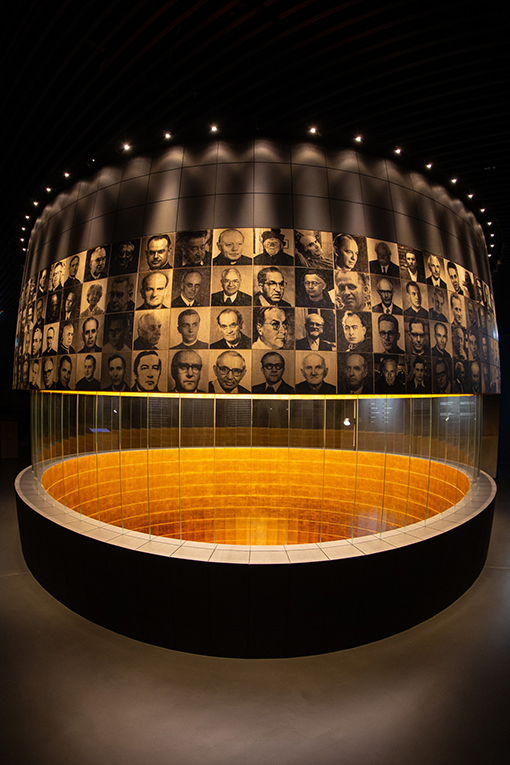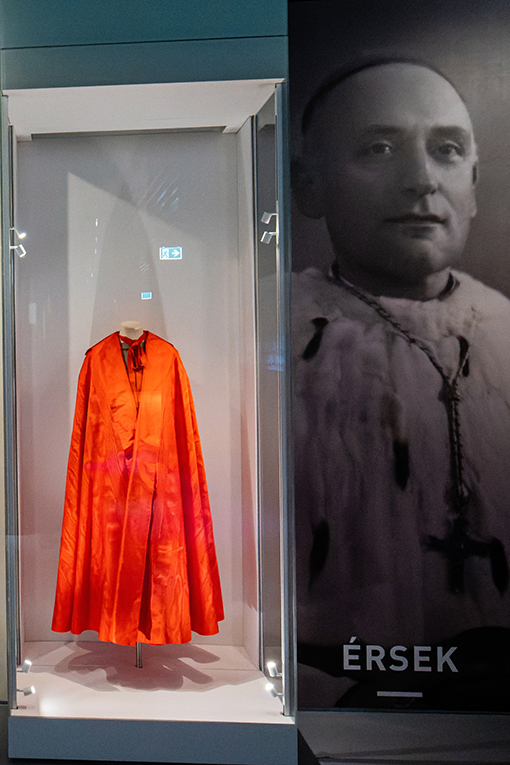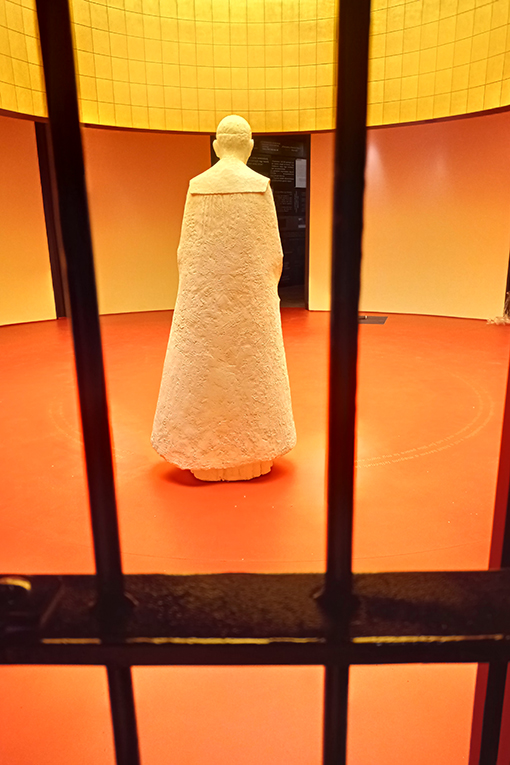
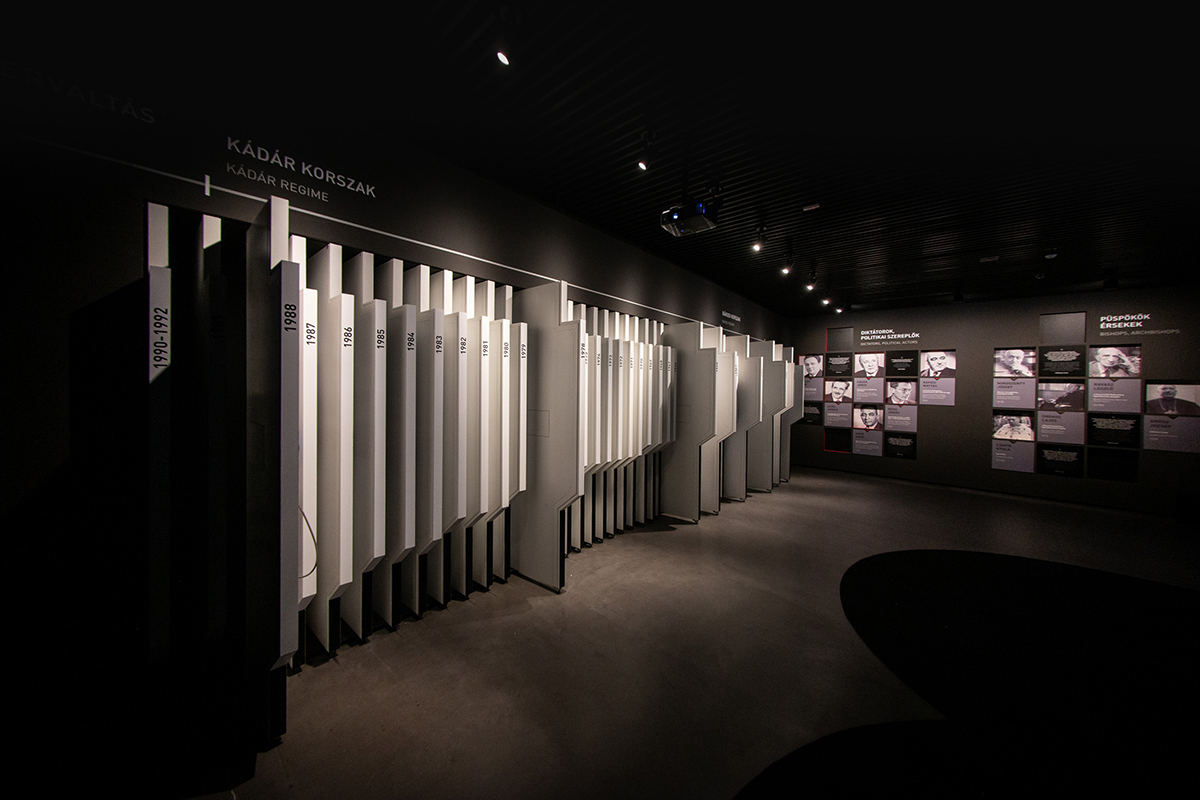
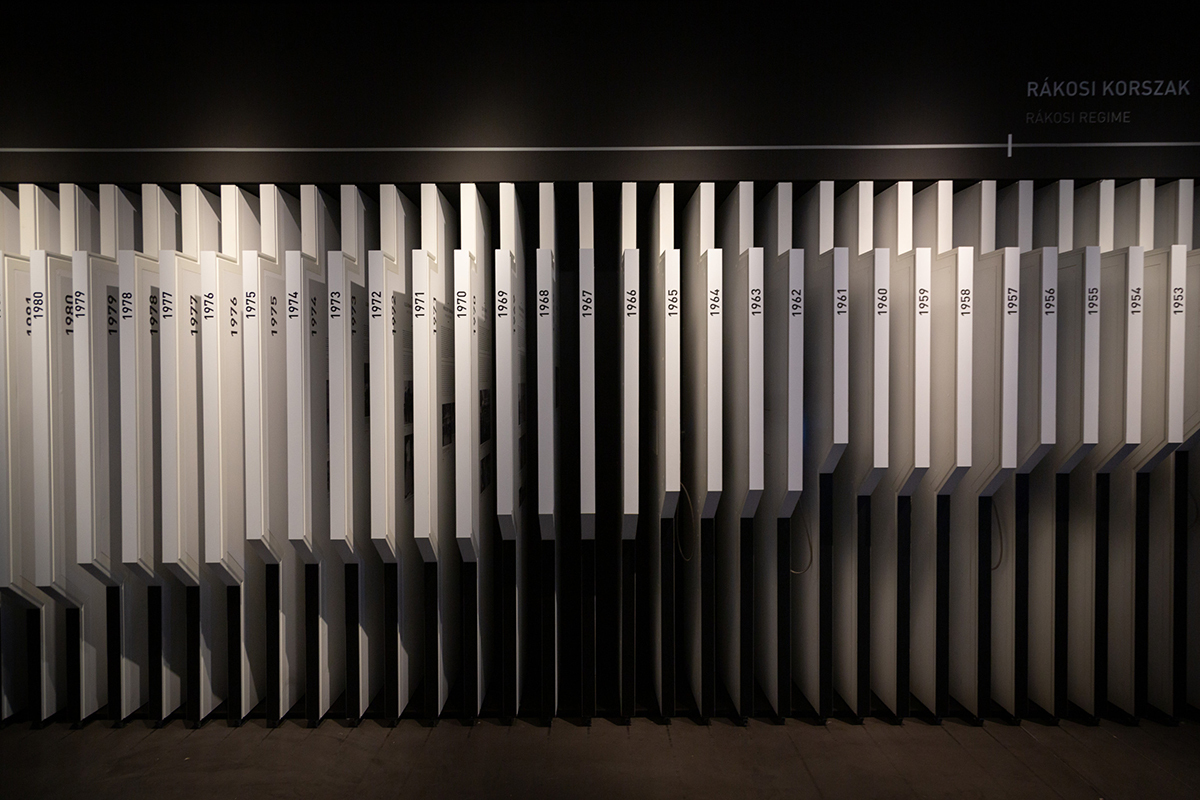
The exhibition’s first room places the entire 45-year period of persecution of the historic churches into context, highlighting the differences between the methods of the Rákosi and Kádár eras without concealing the horrors of either.
It also reveals that the various churches were targeted for different purposes and by different means.
The Rákosi Era vs. the Kádár Era
At the beginning of the exhibition, we aim to provide a historical overview. During the Rákosi era, the fight against the “clerical reaction” was characterized by harsh physical brutality, whereas the Kádár era relied on more sophisticated and subtle methods. Those who chose collaboration over resistance were pressured into reaching agreements and cooperating with the regime. The authorities treated the Catholic, Reformed, and Lutheran churches differently, as they pursued different objectives with each denomination, sought to exploit them in different ways, and attempted to break their resistance through distinct methods.
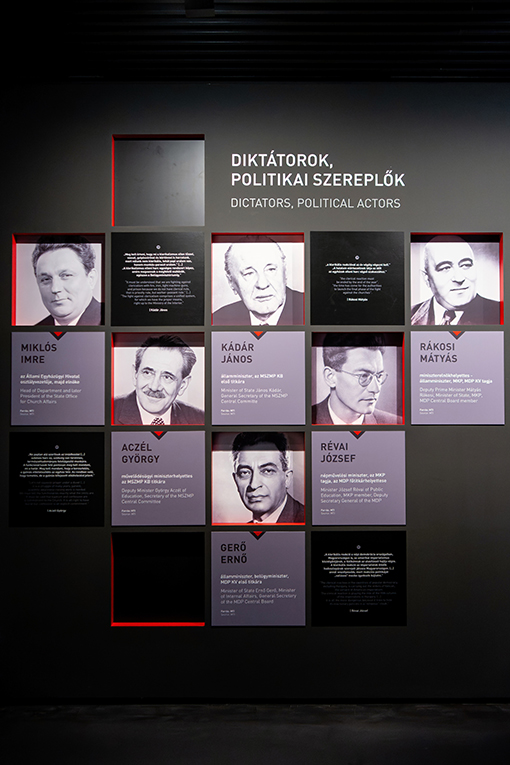
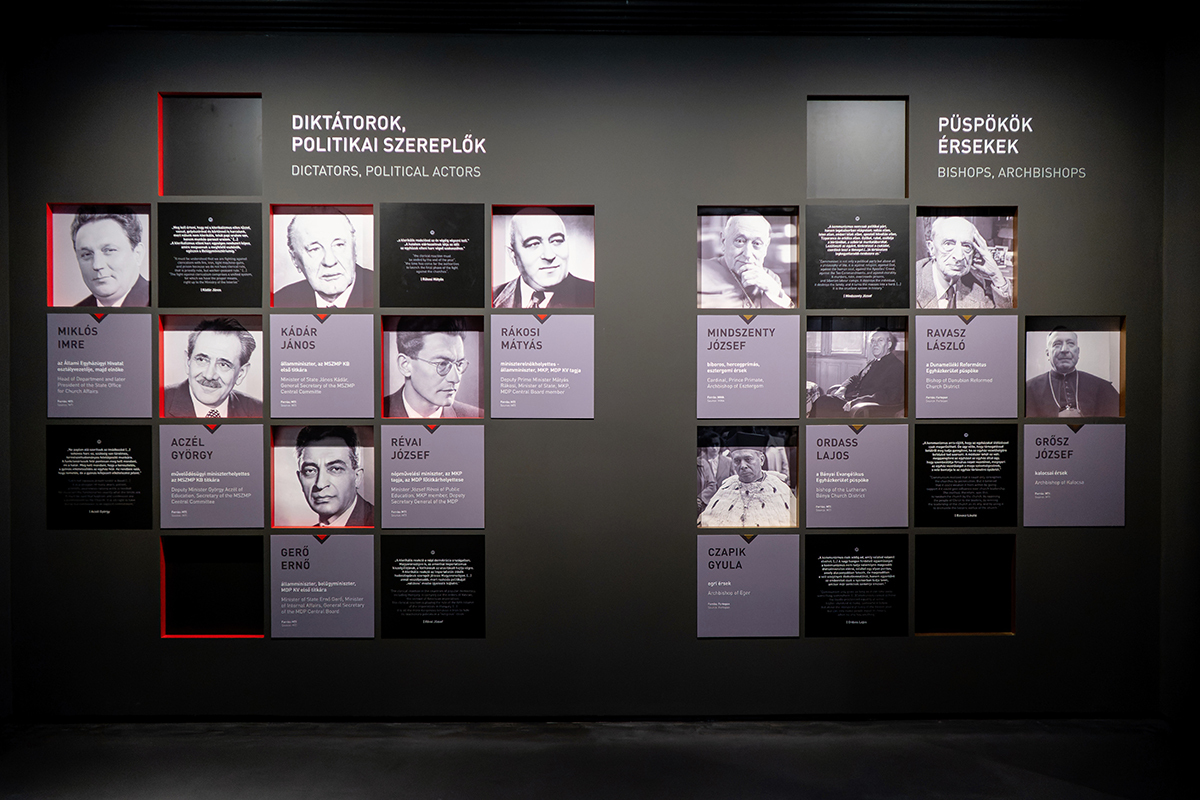
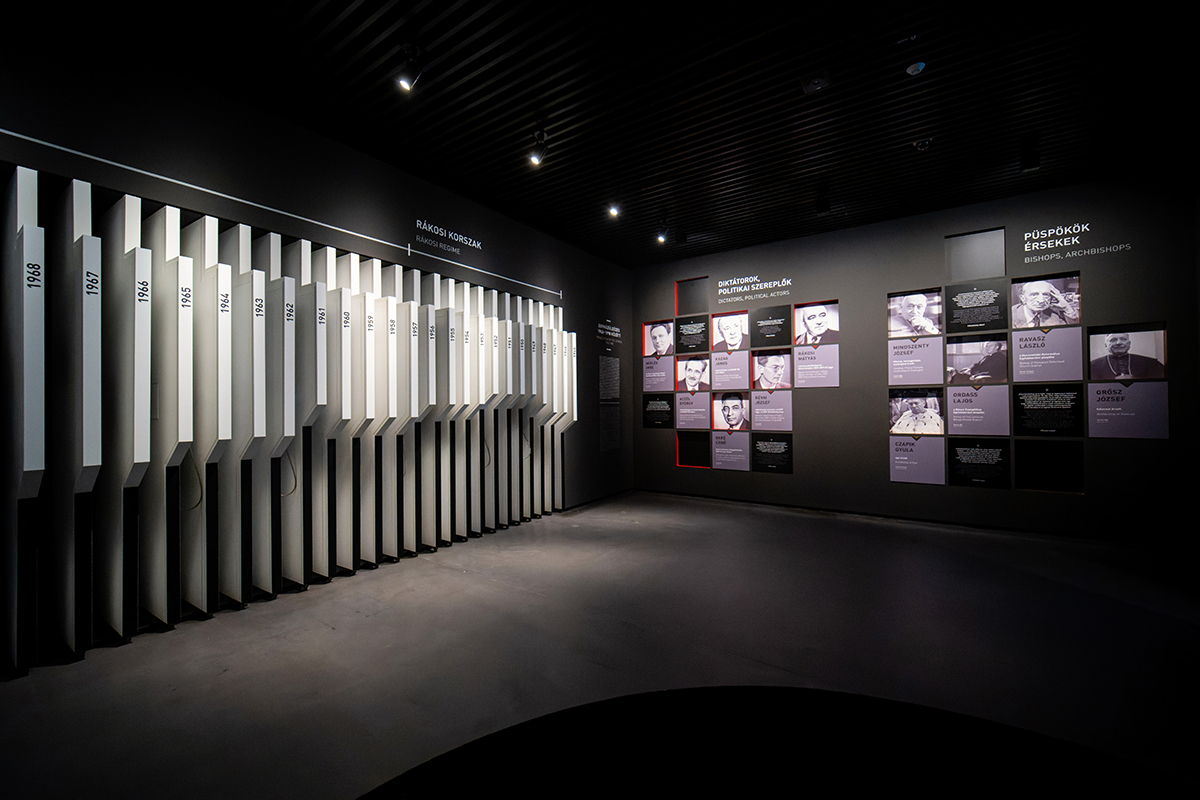
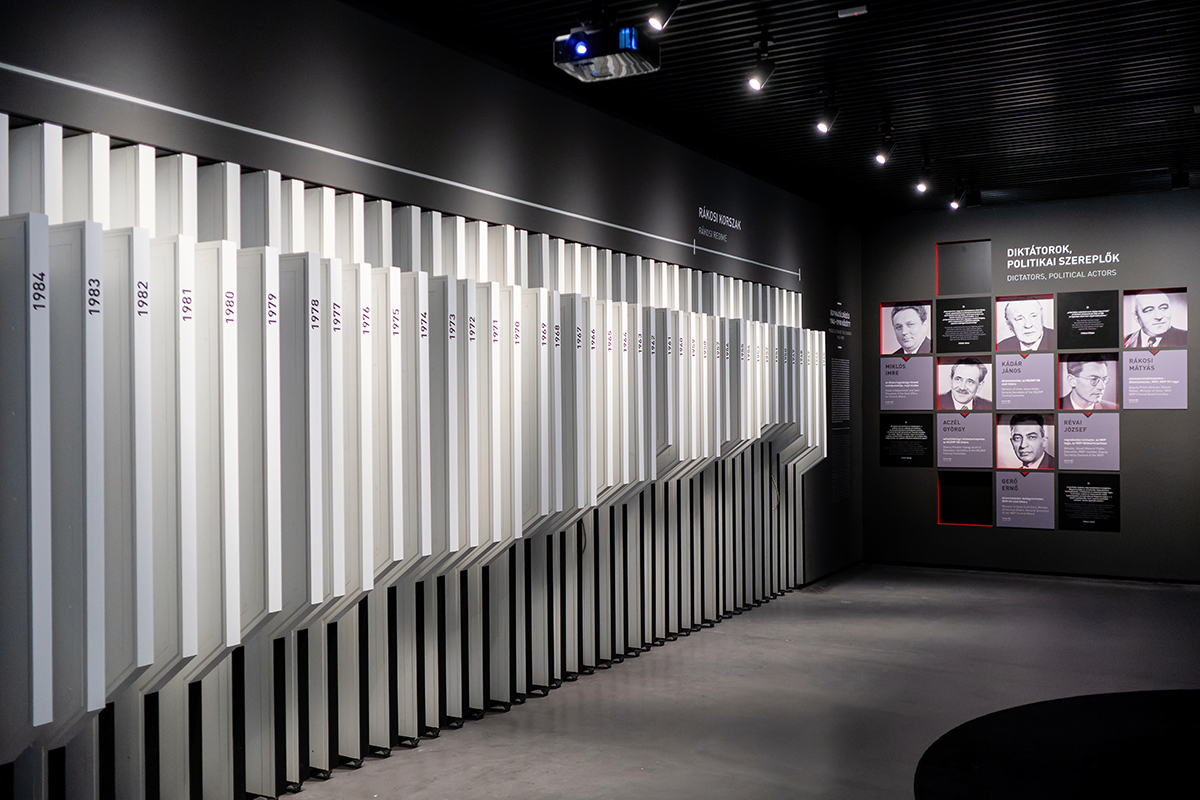
On the right-hand side of the introductory room, emblematic figures of these two eras are presented. Representing the state apparatus are Mátyás Rákosi, Ernő Gerő, János Kádár, József Révai, György Aczél, and Imre Miklós, while the church is represented by József Mindszenty, József Grősz, Gyula Czapik, Lajos Ordass, and László Ravasz.
A Condensed Chronicle
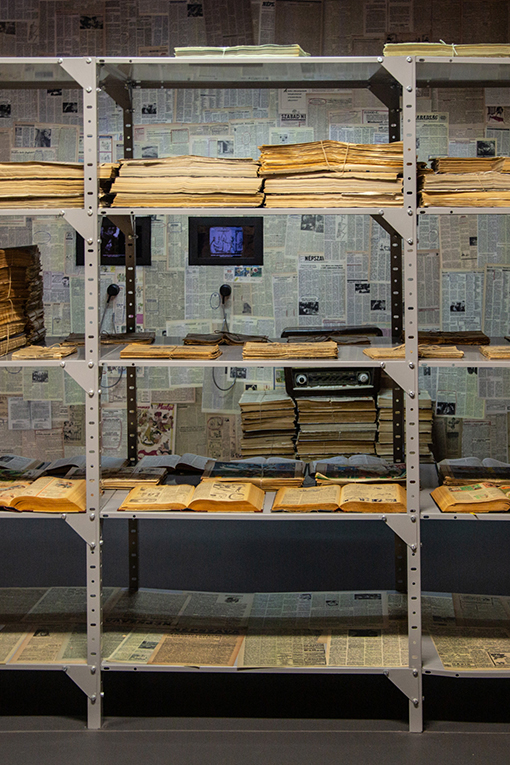
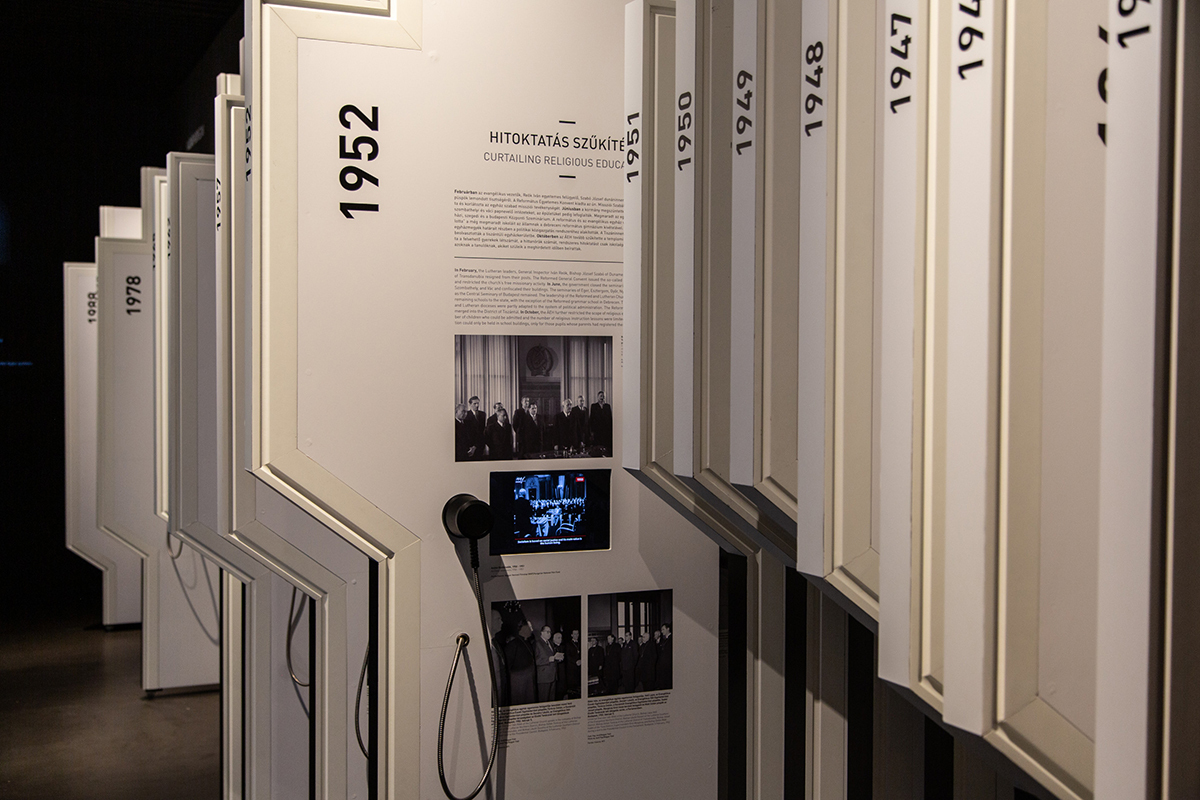
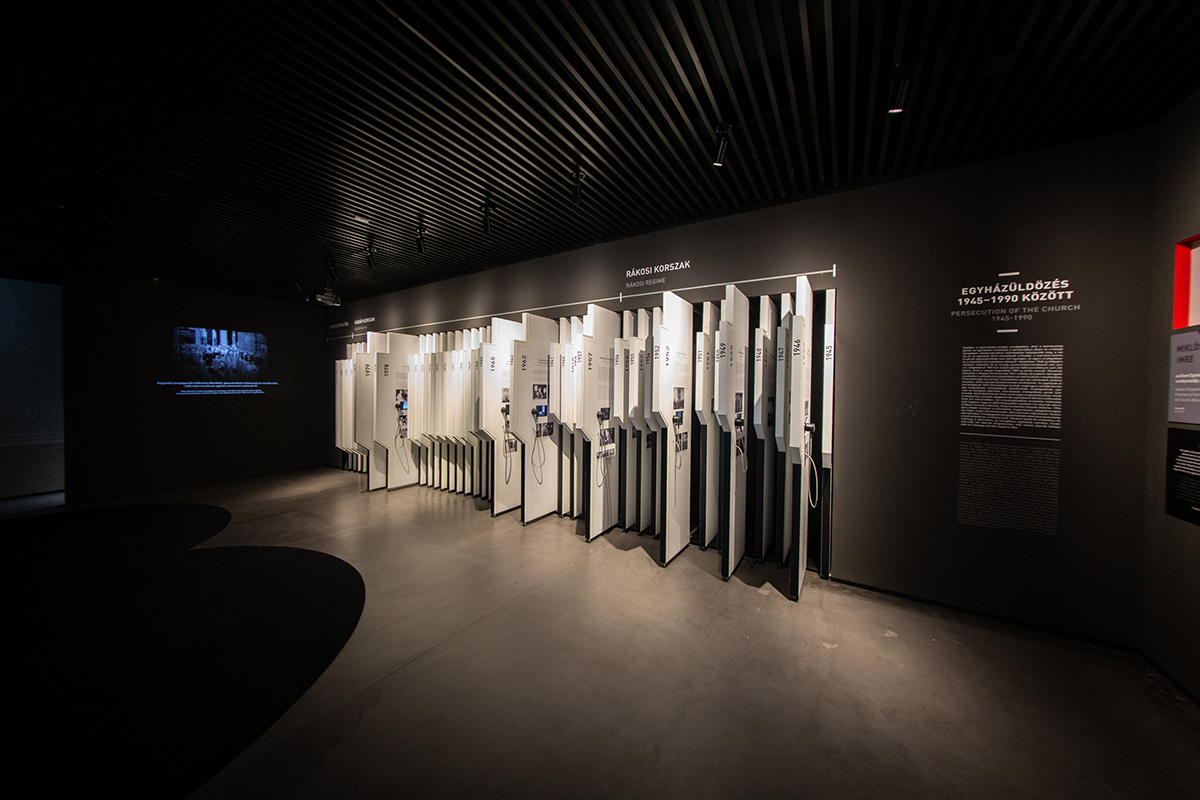
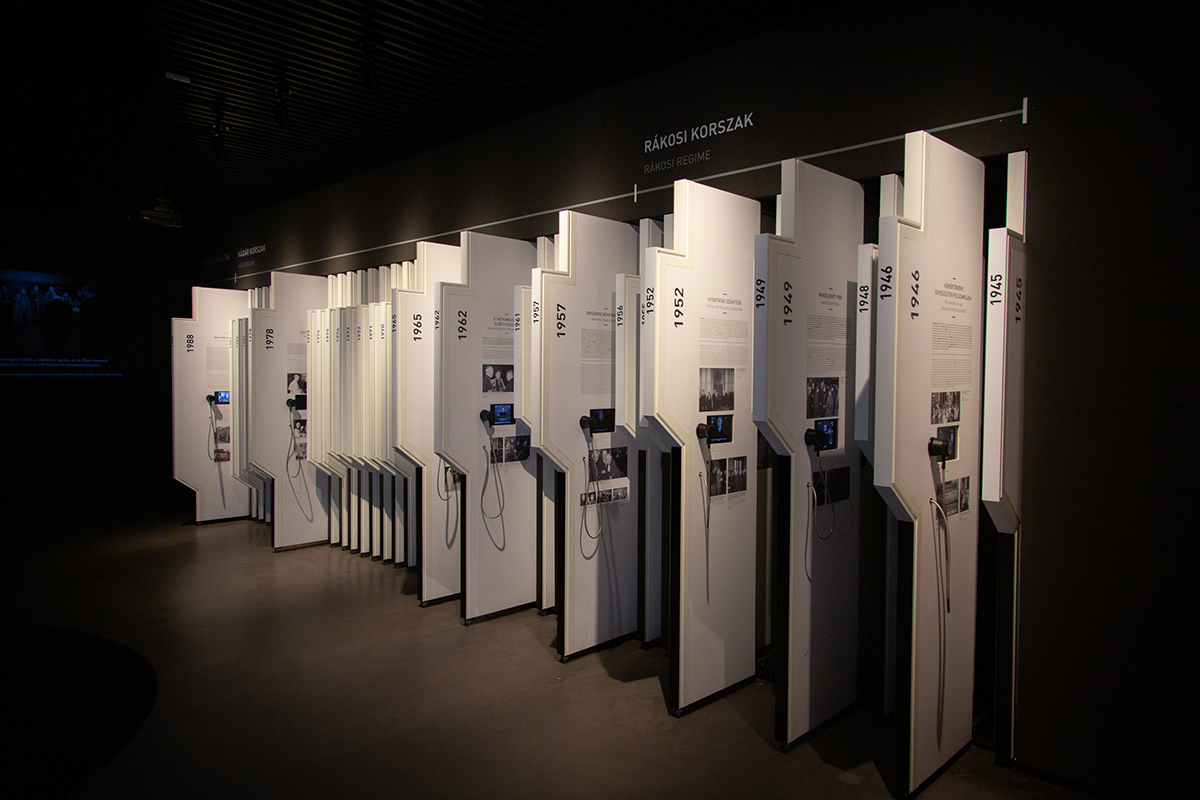
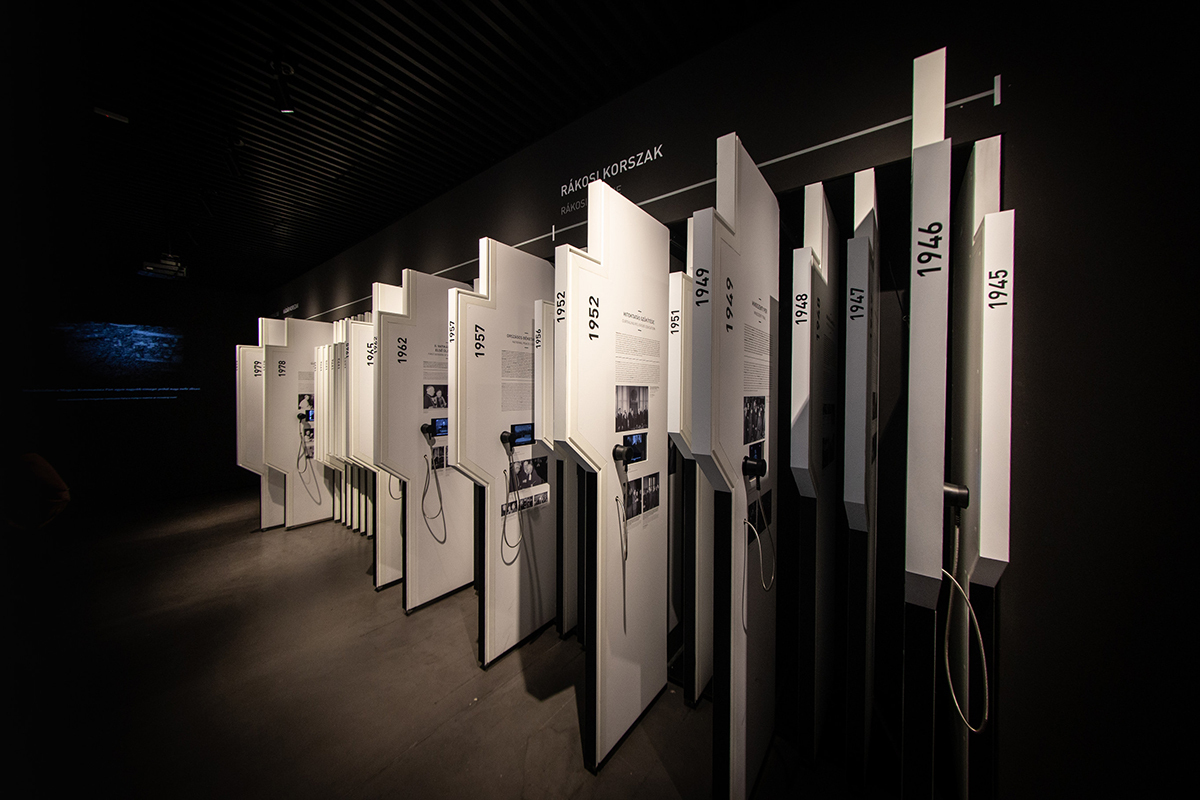
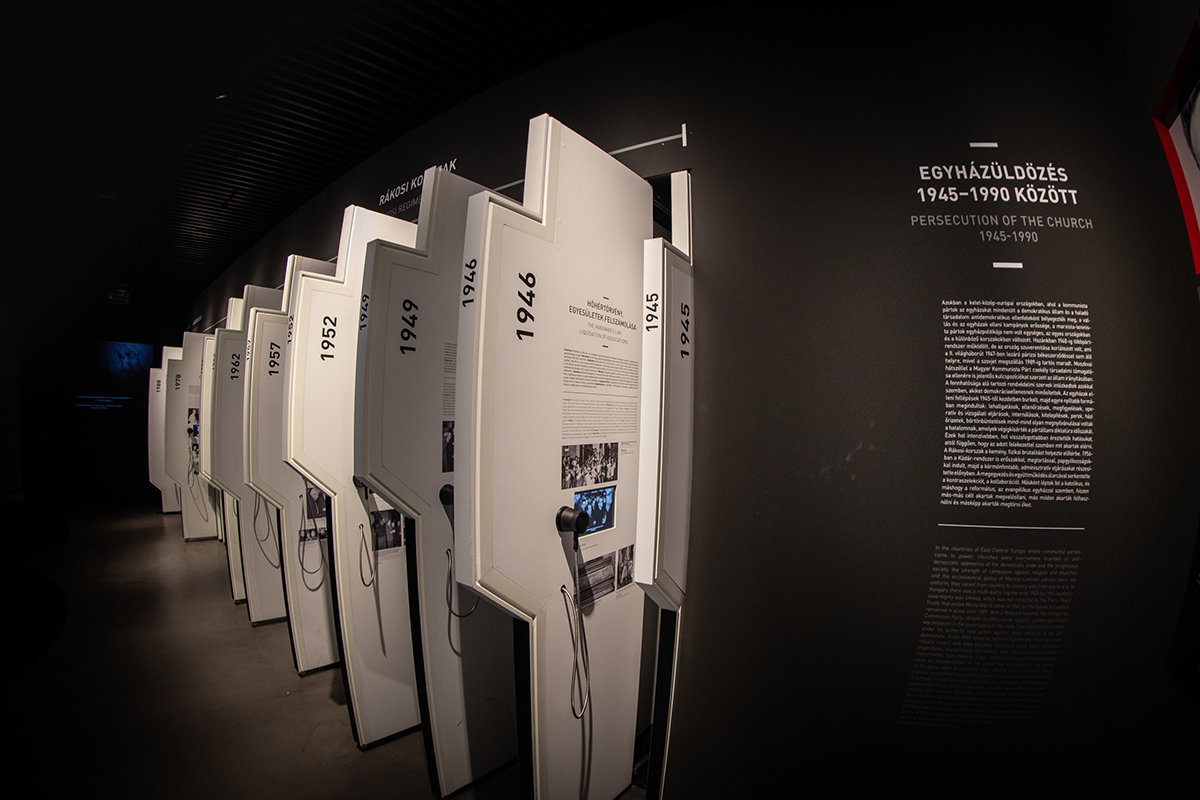
Opposite the entrance, visitors will find a condensed “chronicle” presenting the key ecclesiastical and political events between 1945 and 1990, while also offering opportunities for interactive exploration.
Timeline
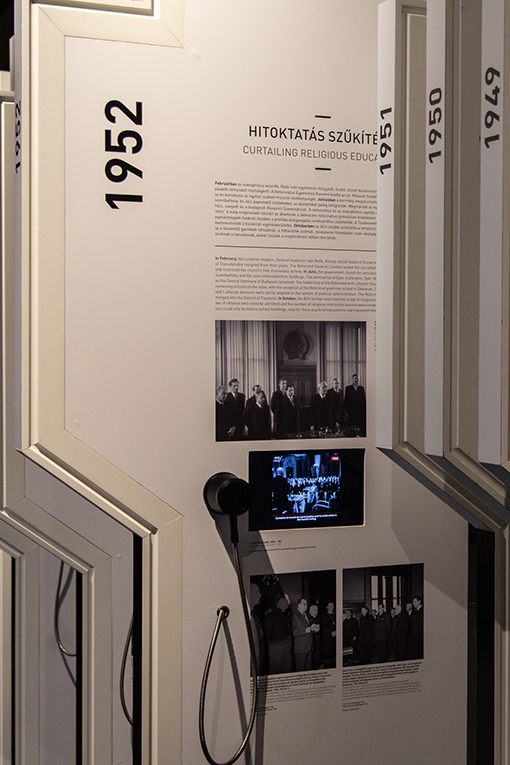
The wealth of information is made more accessible through audio-visual elements, including archival newsreels and historical photographs.
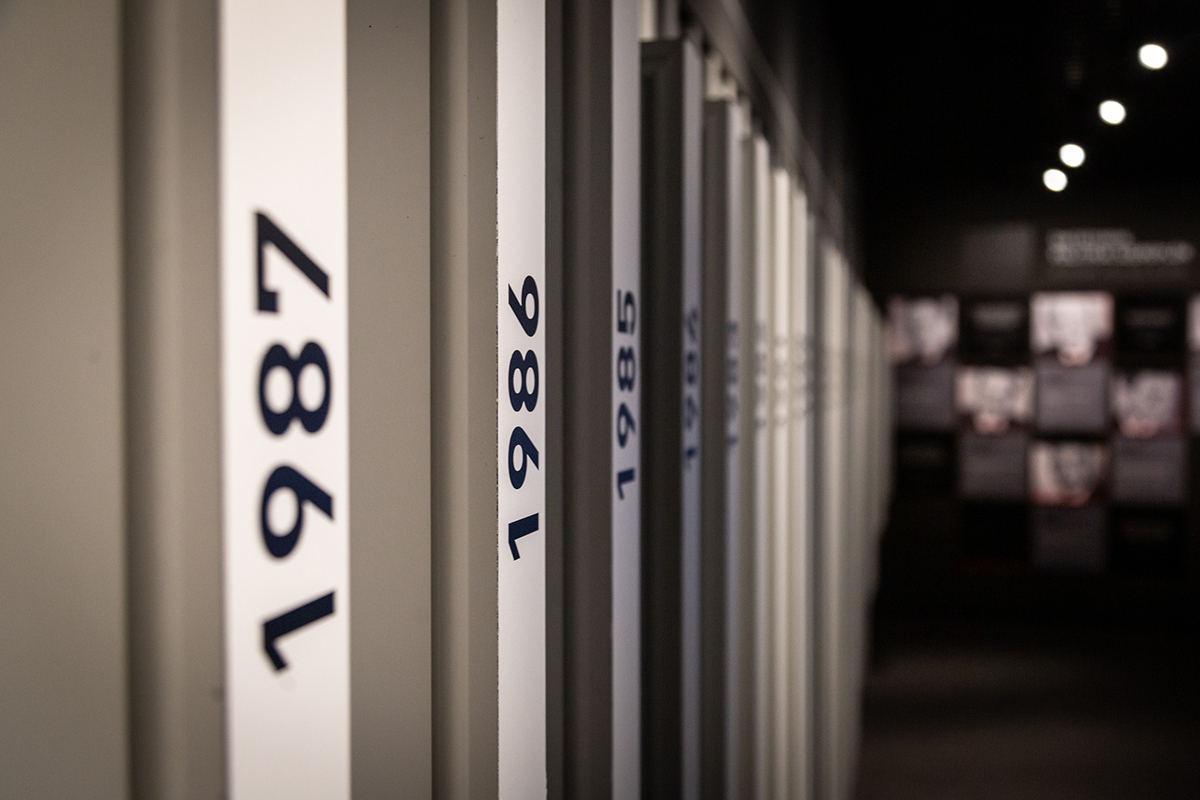
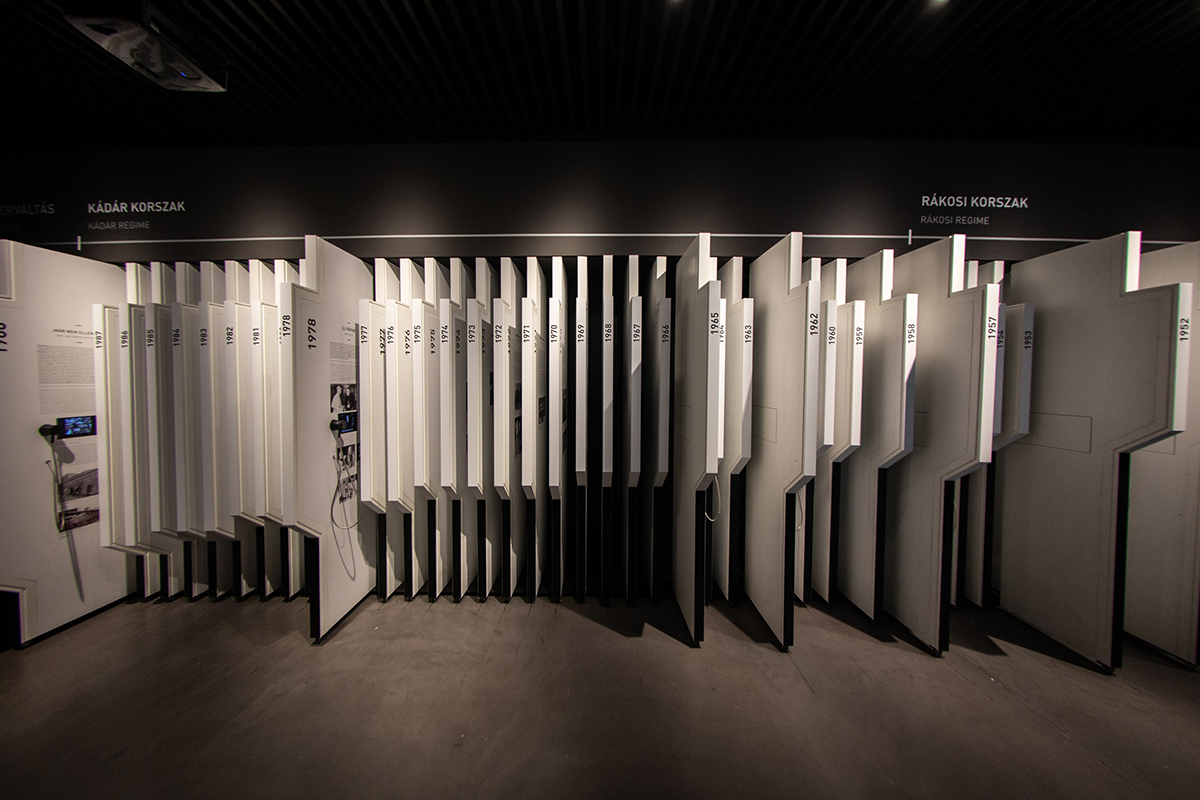
Spanning the full width of the wall, the 45-year timeline illustrates the shifting balance of power between the state and the churches, as well as the alternating phases of escalating tension and subsequent easing.
Extending across the entire wall, the timeline places the events into context for visitors of all ages. Covering approximately forty-five years, the visual installation of the chronicle vividly conveys the “ebb and flow” of relations between church and state, depicting both the periods of increasing tension and those of gradual relaxation.
Objective and Subjective Perspectives
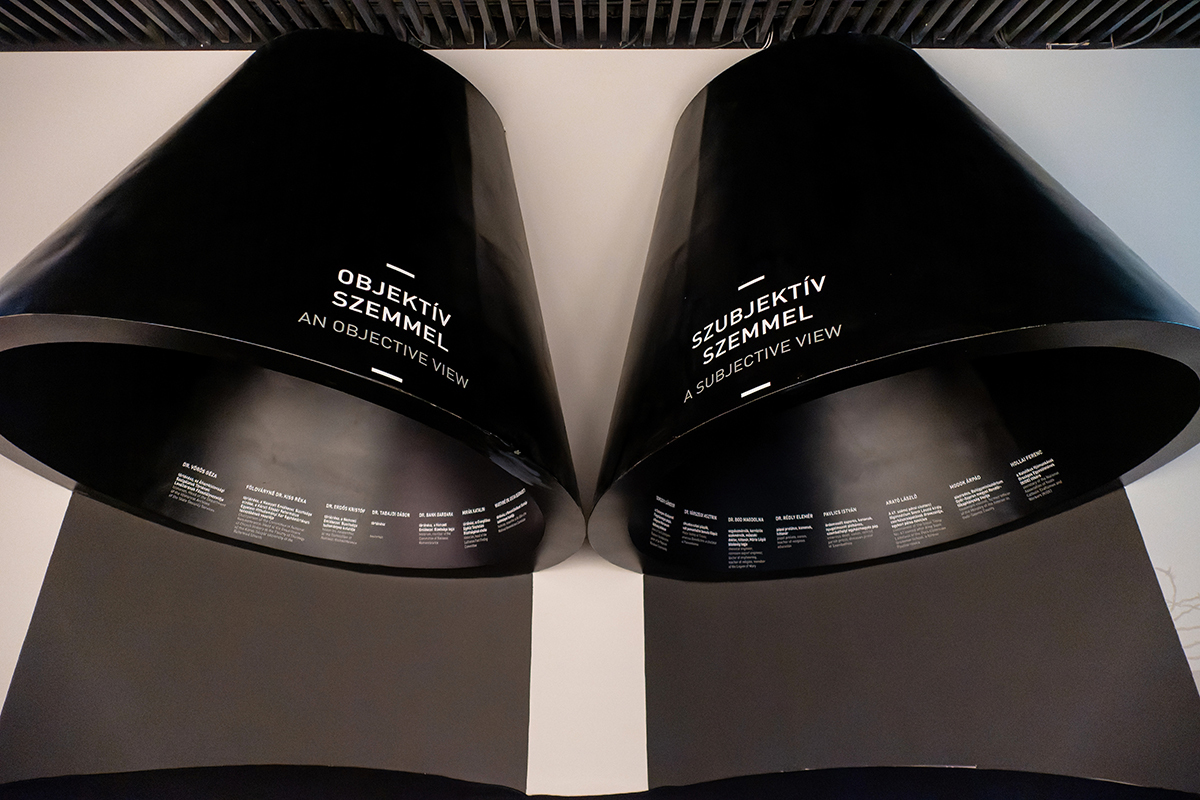
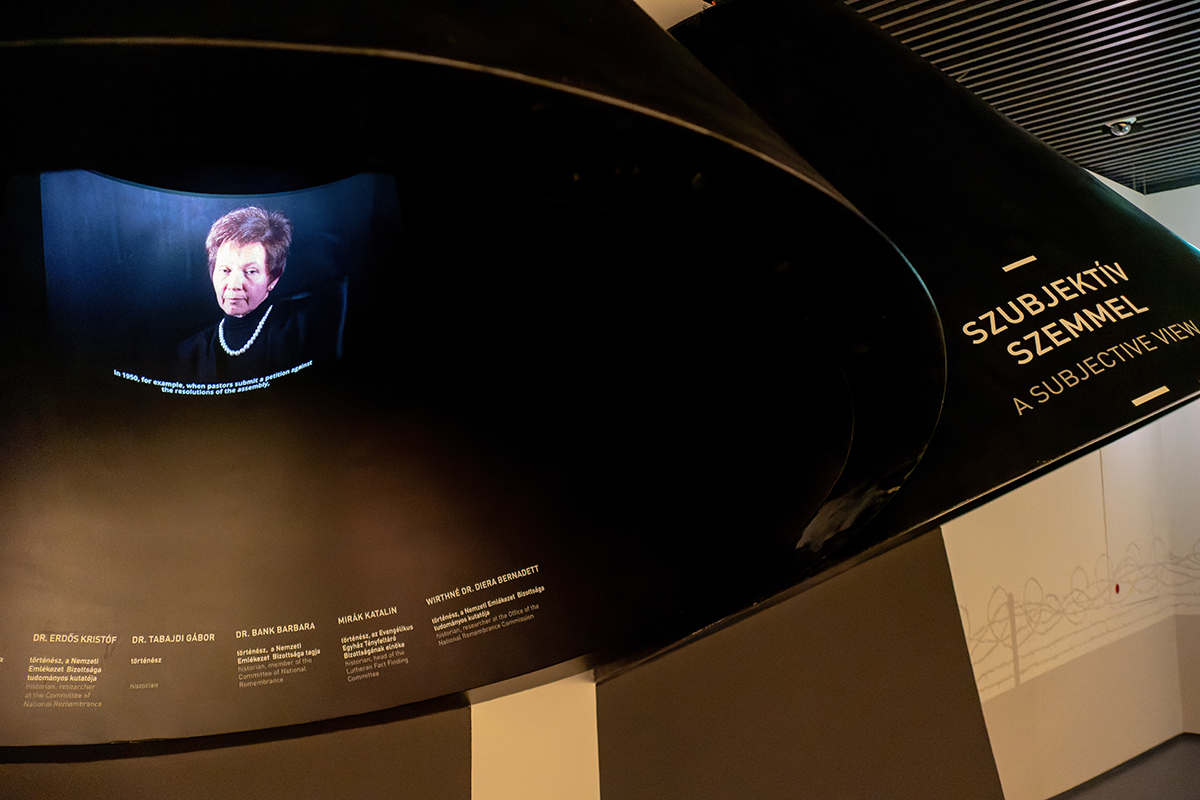
Within the audio domes, visitors can listen to historians offering an objective perspective, alongside firsthand accounts from those who experienced the events themselves.
Inside two bell-shaped projection domes, researchers of the period and individuals who suffered persecution present the story of the oppressed churches from two distinct perspectives. One dome offers an objective, scholarly interpretation, explaining the institutional system of the era, its legal framework, and the different denominations. The other presents a subjective perspective through the personal testimonies of those who lived through these events.